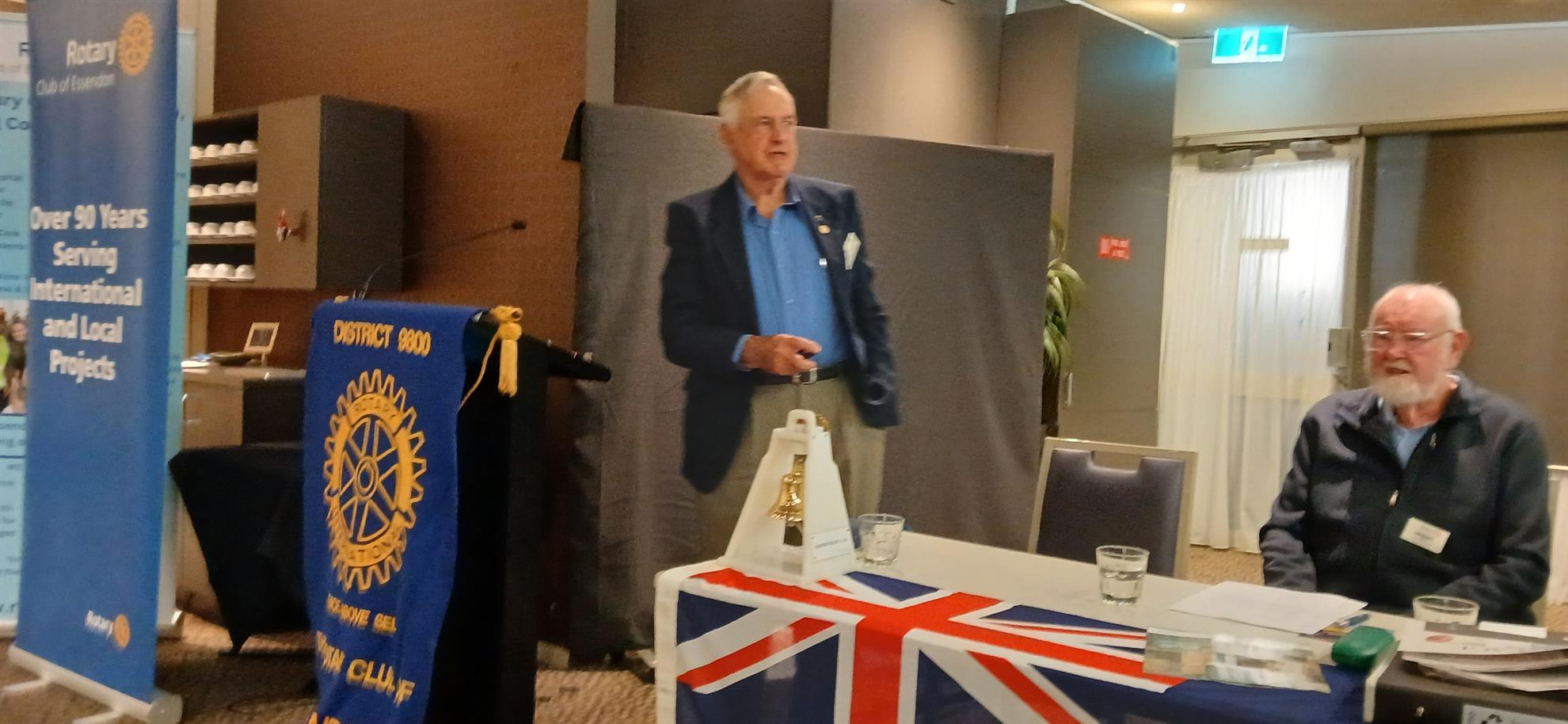
Michael Cariss welcomed President Denis Kosnar to the podium.
President Denis firstly welcomed our guest speaker, David Dobney, all the way from the Rotary Club of North Essendon. President Denis also welcomed Annete, Steve Hanigan, Peter Halaseh, and Valma and John Burns.
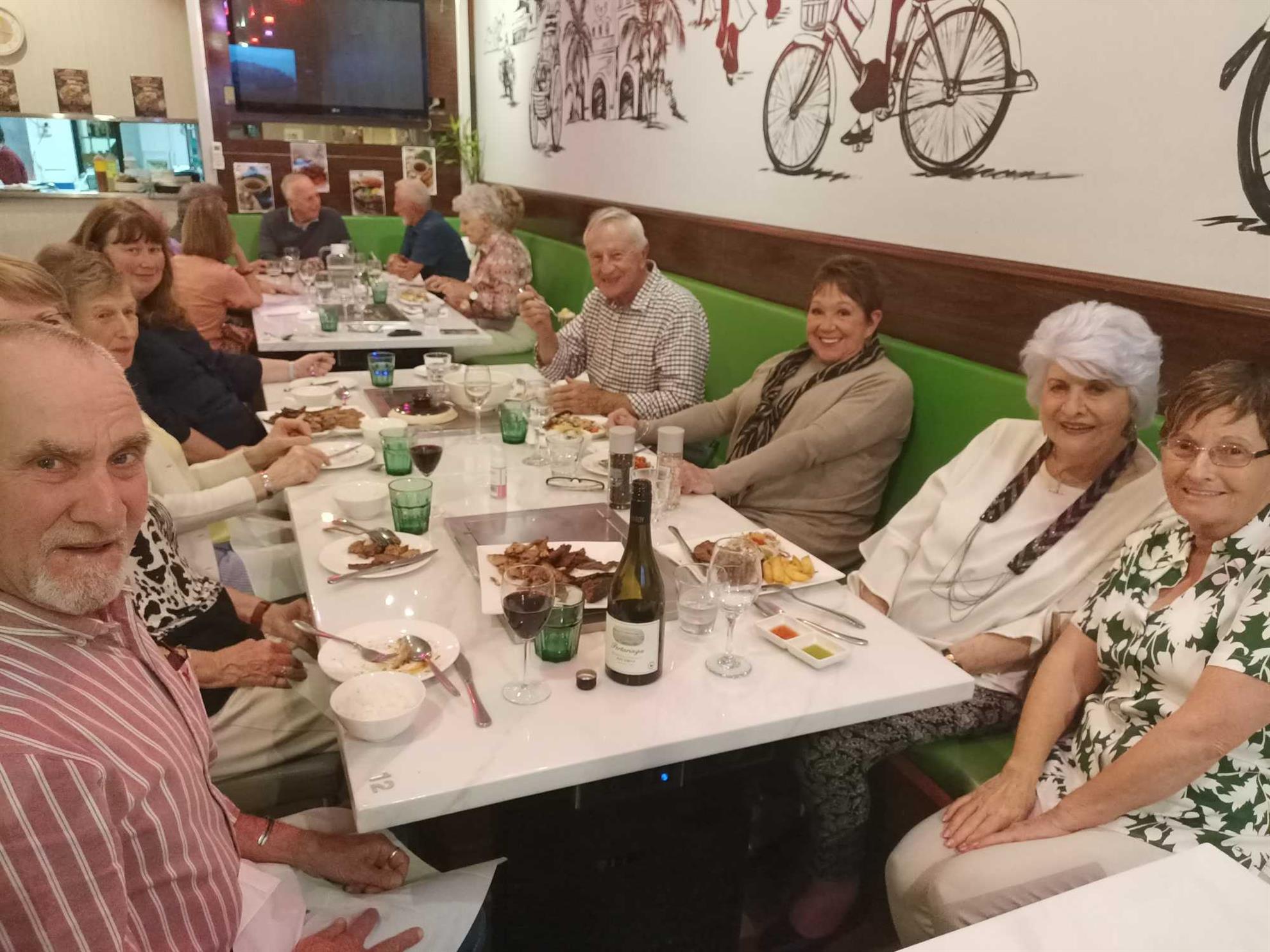
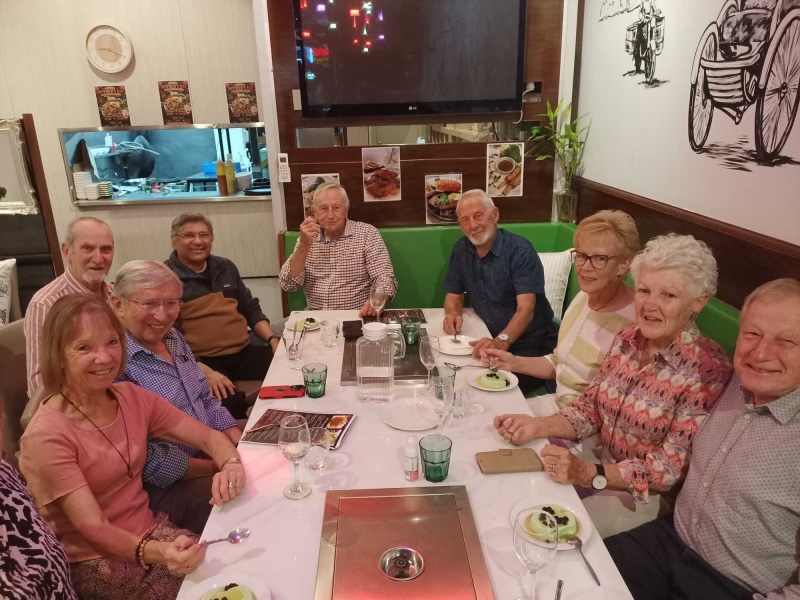
President Denis then recounted an amusing and entertaining dining and interclub social event that sixteen members and partners of RCE and RCNE shared on Friday May 1.
President Dennis attended a useful Rotary learning meeting on Saturday.He also announced that a container full of medical equipment was packed ready for shipment from DIK. Past President Sunil Perera and John Odgers lent a hand with the packing.
Steve Chandler was then invited to update the Club on negotiations with businesses from Essendon Fields about their interest in funding and participating in a corporate duck race(s) in the future. Initial interest seems positive.
Steve also informed the meeting that he has been contacted by the Moonee Valley Council regarding the history of the Community Playground at Lang’s Road Ascot Vale. Steve gave a brief but informative outline of this community project’s origin and the very quick five day community led construction.
Maria Kouppas gave an update of the Royce Abbey awards with another two requests having been received.
Michael Cariss then drew our attention to the fact that President Denis Kosnar’s business received a very large exposure in the Sunday Age of May 5 2026 . The reason for this is that Kosnar framing is the oldest surviving family one in Australia, founded by Denis’s father over fifty years ago. It clearly uses distinctive and personalised techniques. The journalist was a customer of the business. President Denis mentioned a unique framing project the object of which is enclosing a 2 plus metre long python in a 3 metre frame. This project has taken three months. The journalist was also intrigued by another unique framing project — golden underpants!
Michael Cariss introduced the meeting’s guest speaker, David Dobney of the RC of Essendon North and the Rotary Ambassador of the School of St. Jude.
David spoke from an intimate knowledge of the School of St.Jude, Arusha Tanzania East Africa. David become involved after meeting its founder, Gemma Sisla. After completing her Bachelor of Science and Graduate Diploma of teaching at the University of Melbourne, Gemma was drawn to helping disadvantaged third world children to get as high an educational level as possible. She set up the school the School of St Jude in 2002. The School of St Jude opened with one teacher and a handful of sponsored students.
Its vision is to build an educated community of moral and intellectual leaders; fighting poverty in Tanzania.
The mission of St Jude is to give bright, poor Tanzanian students a free, quality education so they can lead their family, community and country with Respect, Responsibility, Honesty and Kindness to growth and prosperity.
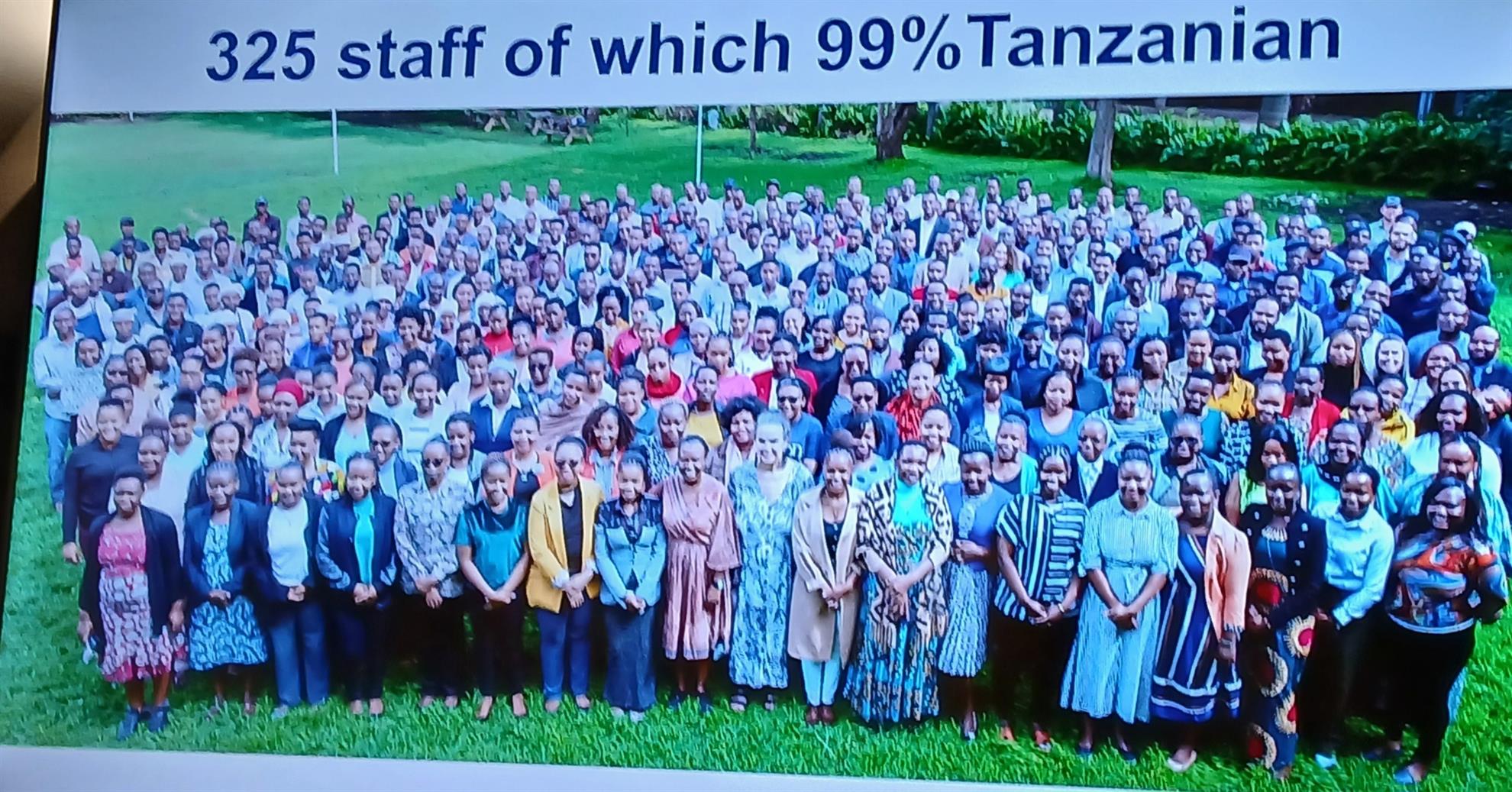
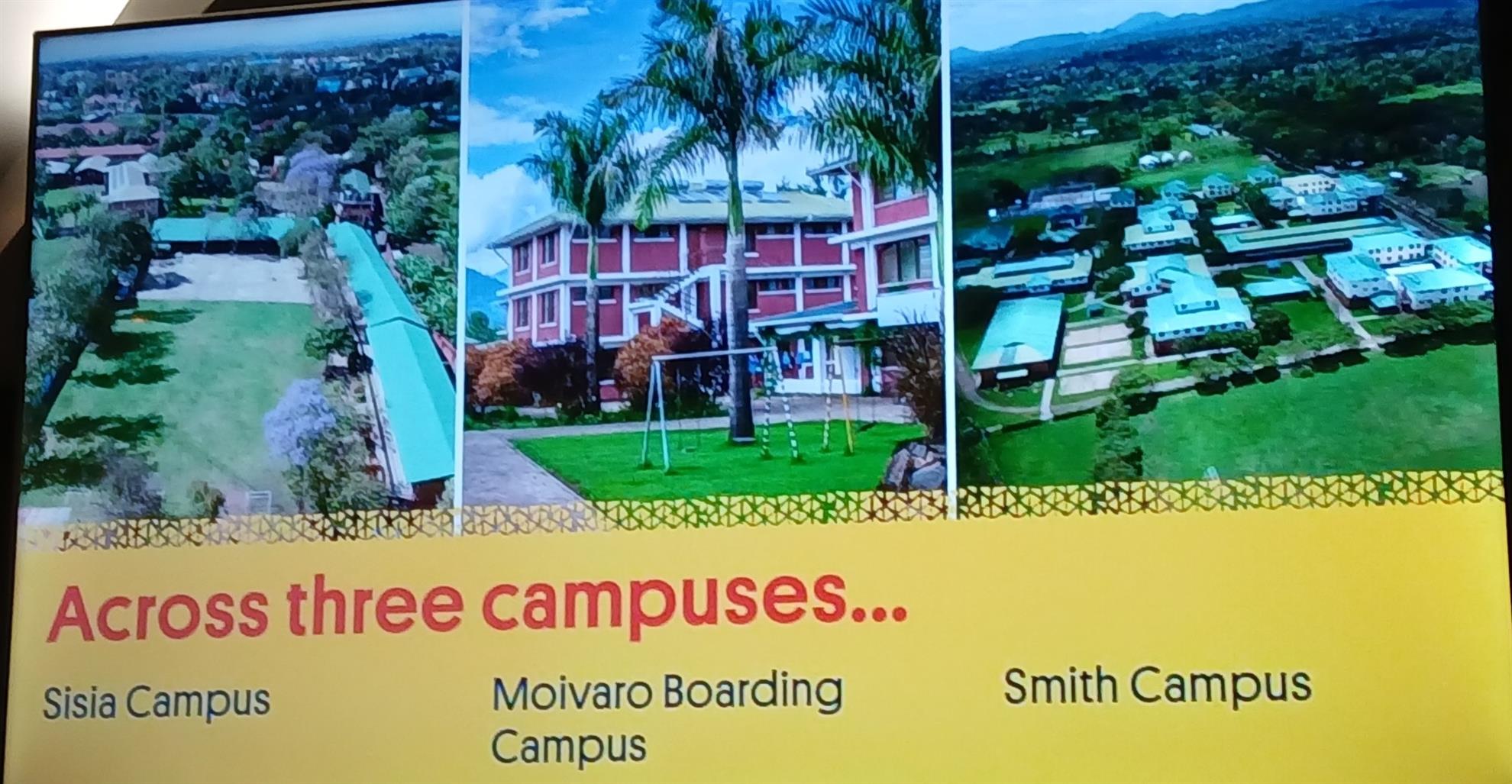
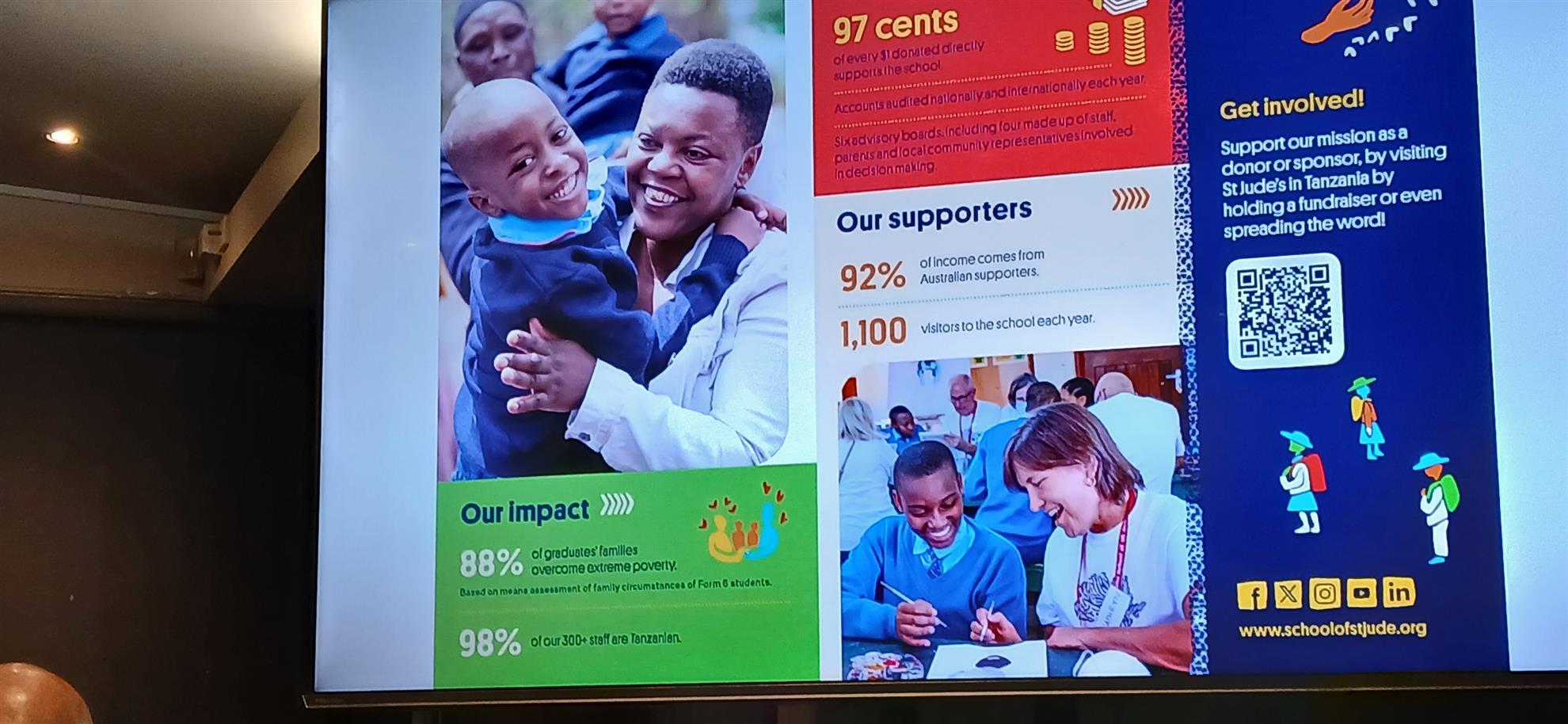
With campuses across three locations and boarding facilities for all secondary students, St Jude’s employs over 300 local Tanzanian staff. The school also helps hundreds of graduates access higher education and provides volunteer teachers to over 20,000 government school students annually. The School provides over 1800 students with everything they need for a successful education, ensuring its students' well-being and future success. Only one student per family is chosen, 100% of St Jude’s students and scholars are on scholarships funded through patrons, donors, Rotary clubs and other sources. Over 98% of all these contributions go directly to fund student requirements.
Located across three campuses, St. Jude provides boarding for all secondary students. 97% of St Jude’s secondary graduates go on to access higher education, supported by Beyond St Jude’s or by other means. Through Beyond St Jude’s, the program for secondary graduates, 100s of graduates are supported with access to higher education and the school has provided more than 20,000 government school students with volunteer teachers each year.
The situation in Tanzania
Tanzania has a young and rapidly growing population. In addition, many Tanzanians live in poverty and 75% live on less than AU$4.20 / US$3.20 per day.
The majority of Tanzanians are unable to complete their education with only 30% of Tanzanians of secondary age enrolled in secondary school. To combat this, St Jude’s selects students who are bright and at risk of not completing their education due to financial pressures.
St Jude’s offers full academic scholarships to students who come from a considerably poor background yet demonstrate academic promise and a great attitude towards studies.
With support from their international family of supporters, St Jude’s students receive highly-qualified teachers, uniforms, food, water, transport, boarding, health and welfare support and learning resources. 60% of our students are female and we typically rank in the top 5% nationally. St Jude’s is a centre for academic excellence with a strong focus on students studying science, technology, engineering and mathematics (STEM) fields during their secondary education.
Who receives St Jude’s scholarships?
Every year, St Jude’s invites thousands of talented candidates from government schools across Northern Tanzania to attend our Scholarship Application Days.
The scholarship application process is highly competitive and involves both academic testing and poverty assessment. These steps ensure that the students who are offered scholarships are both underprivileged and academically talented. St Jude’s aims to offer scholarships to students who will benefit the most from free, quality education.
In late March 2026 David commented that the School has opened a new large scale sporting facility with a range of sports and facilities. The School of St Jude Limited, known as The School of St Jude (Australia) represents the Australian support base for The School of St Jude in Tanzania. Established by Gemma Sisia in 1999, The School of St Jude (Australia) (then called the East African Fund) was founded so that The School of St Jude would have a solid legal foundation in Australia to support the work in Tanzania. The School of St Jude (Australia) is registered in New South Wales and was granted full tax deductibility by the Australian Government effective 1st July, 2014.
The School of St Jude (Australia) keeps costs to a minimum so that 97 cents in every dollar collected from supporters is made available to the school. Through The School of St Jude (Australia), Australian supporters provide over 92% of all funds donated to support the school.
David noted several ways that money can be donated to the School of St, Jude, either by individual donation or by Rotary Club sponsorship.
Several interesting questions were put and answered at the end of David’s presentation. Maria Kouppas thanked David for his lively and informative talk. President Denis also thanked David and presented a small gift.
President Denis in closing outlined the speakers for the last three meetings of this Rotary year.